
April 20, 2026
Article
The Real Cost of a Missed Call
Every missed call has a price tag. Most service businesses never calculate it. Here's the math, and what to do about it.
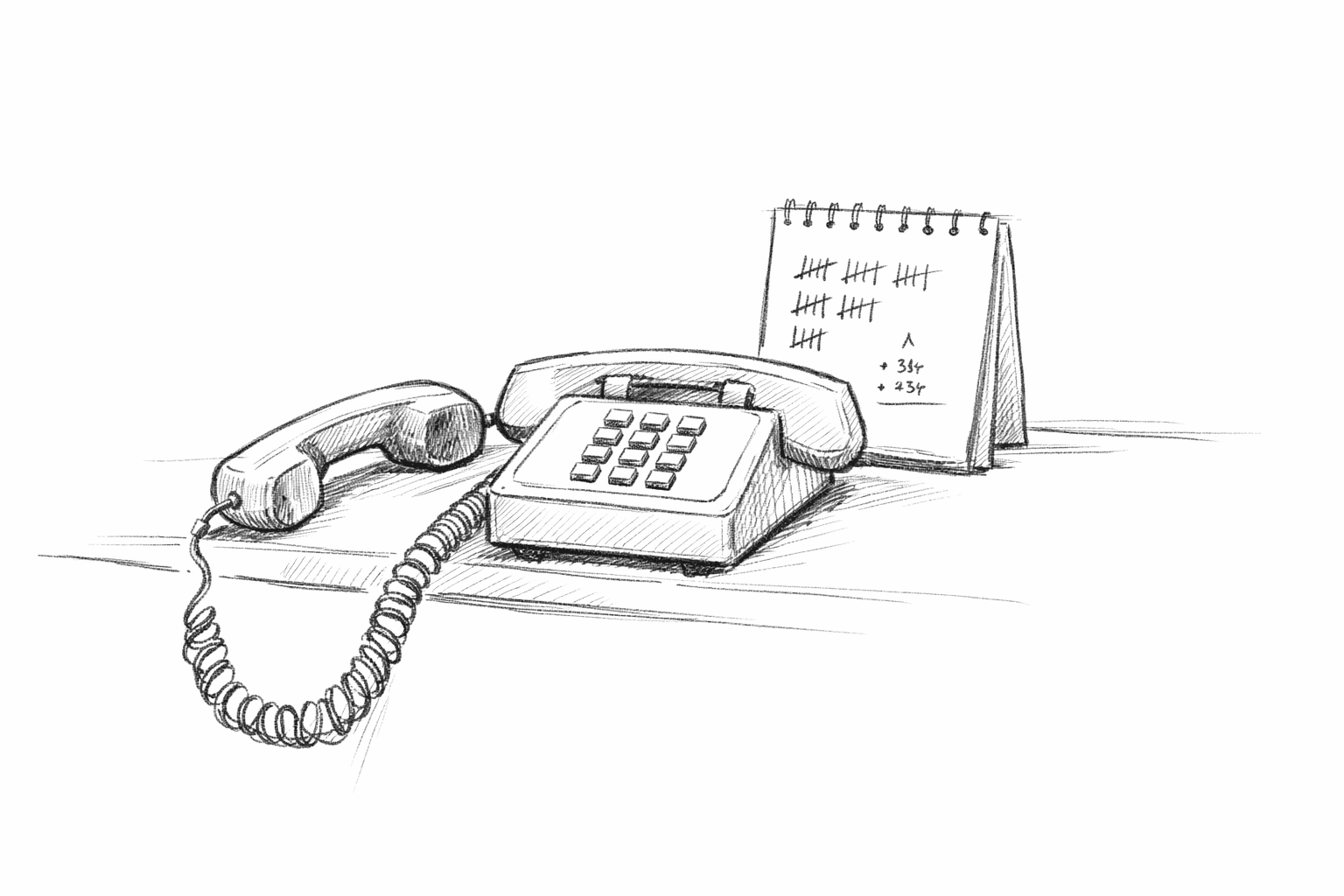
Most service businesses treat missed calls like bad weather. Annoying, unavoidable, out of their hands.
That's wrong.
A missed call is a line item. It has a dollar value. And once you run the math, the answering service and the voicemail box stop looking cheap.
The math nobody runs
Take a home services business doing $2M a year. Average job size: $800. That's 2,500 jobs a year, or about 48 a week.
Now look at the calls. Most service businesses field 3 to 5 inbound calls per completed job (new leads, current customers, quote follow-ups, scheduling). Call it 150 calls a week.
Industry data puts missed call rates between 25% and 40% for field-based businesses. Crews are out, the office is slammed, the phone rings during lunch.
At 30%, that's 45 missed calls a week.
Not all of those missed calls are new leads. But usually around a third are. That's 15 new lead calls per week hitting voicemail.
Of those 15, how many call back? Research out of the home services space pegs it around 20%. The other 80% call the next business on Google.
So the real number: 12 new leads a week, gone. 624 a year.
Even if only 1 in 5 would have closed at the $800 average, that's 125 jobs lost. $100,000 in revenue. Every year. Quietly.
The voicemail tax
Voicemail is the worst option on the board. It's the digital version of telling a prospect "call back later." Nobody calls back later.
Answering services are a step up, but not by much. They take a message. They don't qualify. They don't book. They don't route emergencies. A $1,200/month answering service costs $14,400 a year to do one job: forward information.
Meanwhile, the lead that wanted an estimate today is already on the phone with your competitor.
What actually fixes this
An AI voice agent answers every call, 24/7. It qualifies the caller, books the appointment directly into the calendar, transfers emergencies to a human, and sends an SMS follow-up.
Not a demo. A working system. Running right now for clients in home services and healthcare.
Typical cost to run: under $200/month in usage.
Typical impact: 30 to 60 extra leads captured per month that would have gone to voicemail.
The math doesn't care about your feelings on AI. It cares about whether your phone gets answered.
The actual question
If you're running a service business, the question isn't "should I get an AI voice agent."
The question is: what is it costing you not to have one?
Run the numbers on your own operation. Calls per week. Missed percentage. Average job size. Close rate.
Multiply it out.
That number is what your voicemail box is costing you.